
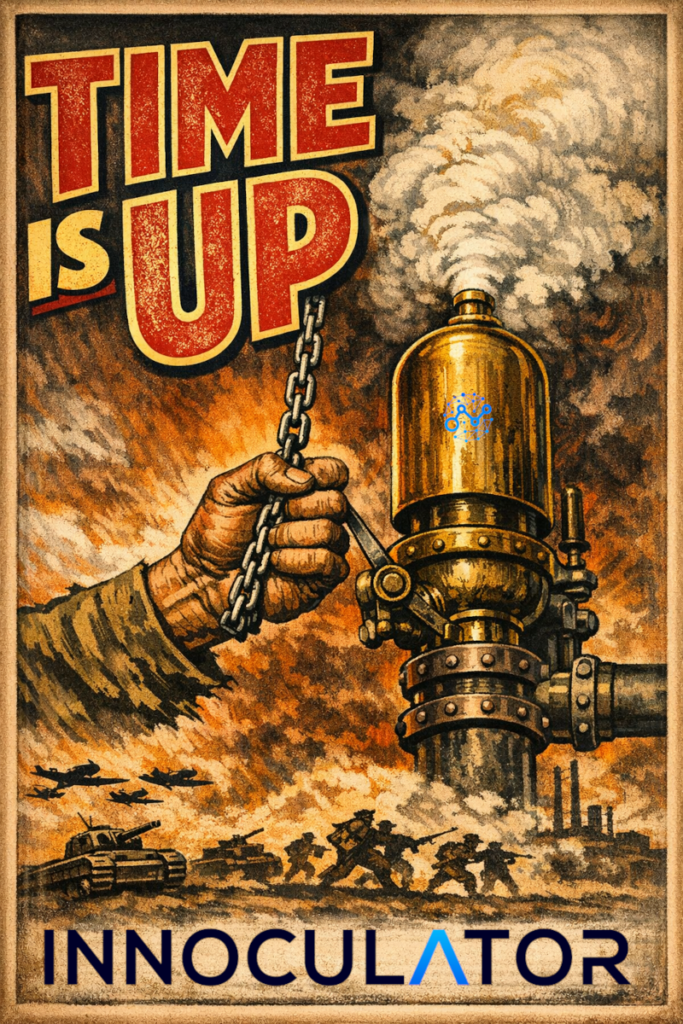
AI is changing cybersecurity in a way that is impossible to ignore: attackers can now find, validate, and weaponize vulnerabilities far faster than most organisations can patch them. Recent reporting shows attackers targeting vulnerabilities within 15 minutes of a CVE disclosure, while major threat reporting says AI-enabled attacks are accelerating and breakout times are shrinking dramatically. The result is a widening gap between discovery and defence.[2][4]
For years, security teams have lived with the idea that once a vulnerability is identified, there is still time to react. That assumption is now under pressure. AI has reduced the effort required to analyse code, generate proof-of-concept exploits, and automate attack steps, which means the window between “known” and “exploited” is getting smaller every month. In practical terms, the attacker may not wait for your patch cycle to begin.[5][6]
The new exploitation window
Traditionally, defenders measured risk in days or weeks. Now, some threats move in minutes. CrowdStrike reported that average eCrime breakout time fell to 29 minutes, with the fastest observed breakout in just 27 seconds, while another report noted attackers are targeting vulnerabilities within 15 minutes of CVE disclosure. That means a vulnerability can move from public knowledge to active exploitation before most organisations have even completed triage.[4][2]
This is especially dangerous for internet-facing systems, legacy applications, and software that cannot be patched quickly. Innoculator’s own site highlights the “patch gap” problem, noting that critical vulnerabilities can take far longer to remediate than the time it takes for attacks to start. In other words, the risk is no longer just that patching is slow; it is that patching is structurally slower than exploitation.[1]
Why AI makes this worse
AI does not just speed up one step in the attack chain. It speeds up several. It helps attackers scan larger environments, understand exposed services, generate exploit code, and automate follow-on activity once they gain access. That creates a force multiplier effect: more targets can be tested, more weaknesses can be chained together, and more attacks can be launched in parallel.[6][4]
This matters because security programs are still built around human-paced workflows. Vulnerability review, testing, change windows, maintenance approvals, and deployment coordination all take time. Even highly mature organisations struggle to compress those steps enough to keep up with AI-assisted offensive activity. The old model assumed defenders had a usable buffer. AI is removing that buffer.[3][1]
The problem with patch-first thinking
Patching remains essential, but it is no longer sufficient on its own. If exploitation can begin almost immediately after disclosure, then a patch-only strategy leaves an unavoidable exposure window. For legacy systems, embedded systems, and critical applications that cannot be patched quickly, the gap is even worse.[7][2][4][1]
That is why security teams need an additional control that protects the vulnerability before the patch is ready. Virtual patching fills that role by blocking or alerting on exploit attempts without requiring code changes or downtime, and it can be deployed much faster than traditional patching. Used properly, it becomes a bridge between disclosure and remediation.[3]
Conclusion
AI has changed the economics of exploitation. Attackers can now move at a speed that outpaces traditional patch cycles, which means organisations need protection that moves just as fast. The answer is not to abandon patching, but to pair it with AI-driven virtual patching that can identify and block exploit attempts before they become incidents.[2][4][1][3]
For Innoculator, that is the core message: if exploitation is now happening at machine speed, then defence must do the same. An AI virtual patching solution is no longer a nice-to-have; it is the practical way to close the gap between vulnerability disclosure and real-world protection.
